Michael Caine
Open kitchens, lofts, vaulted living rooms, and combined dining spaces often create more echo than smaller enclosed rooms. Large ceiling areas reflect sound back into the space, especially when floors and walls are also hard. Practical acoustic ceiling ideas can improve speech clarity and make an open interior feel noticeably calmer without redesigning the entire floor plan.
Why Open Rooms Become Echoey
Sound spreads freely in an open layout and repeatedly hits ceilings, glazing, flooring, cabinetry, and large wall surfaces. The result may be long reverberation, louder conversations, and difficulty understanding speech when several people are talking.
A high ceiling isn’t automatically bad. The problem becomes more noticeable when the room contains too few sound-absorbing surfaces.
| Ceiling Option | Best Use | Main Consideration |
|---|---|---|
| Acoustic panels | Targeted absorption | Visible installation |
| Acoustic clouds | High open ceilings | Requires secure mounting |
| Soft ceiling finish | Broad coverage | Installation may be involved |
| Baffles | Large modern spaces | Strong visual presence |
Begin With the Rest of the Room
Ceiling treatment may not be necessary if the room is almost completely bare. Area rugs, curtains, upholstered dining chairs, and fabric furniture can reduce reflections before anything is attached overhead.
Ideas from residential styling references can help integrate softer materials without making an open layout feel cluttered. This approach is especially useful in spaces where exposed ceilings or architectural details are part of the design.
Listen Where Conversations Happen
Stand near the dining table, kitchen island, and seating area while someone speaks from across the room. Locations where voices become harsh or unclear often reveal where absorption would have the greatest practical value.
You don’t necessarily need equal acoustic treatment across the entire ceiling.
Use Panels or Clouds for Focused Absorption
Ceiling-mounted acoustic panels provide absorption without occupying floor or wall space. Suspended “clouds” can be useful in high spaces because both exposed faces may interact with sound.
For rooms that also need visual organization, balanced open-plan layouts offer a useful design perspective. Ceiling elements can sometimes reinforce zones over a dining table or seating group while also improving acoustic comfort.
Mounting is critical. Overhead products must be securely attached to suitable structure using hardware appropriate for their weight.
Consider Baffles for Taller Interiors
Vertical acoustic baffles are common in large commercial spaces but can also suit modern residential interiors with sufficiently high ceilings. Their repeated vertical surfaces provide substantial exposed area for absorption.
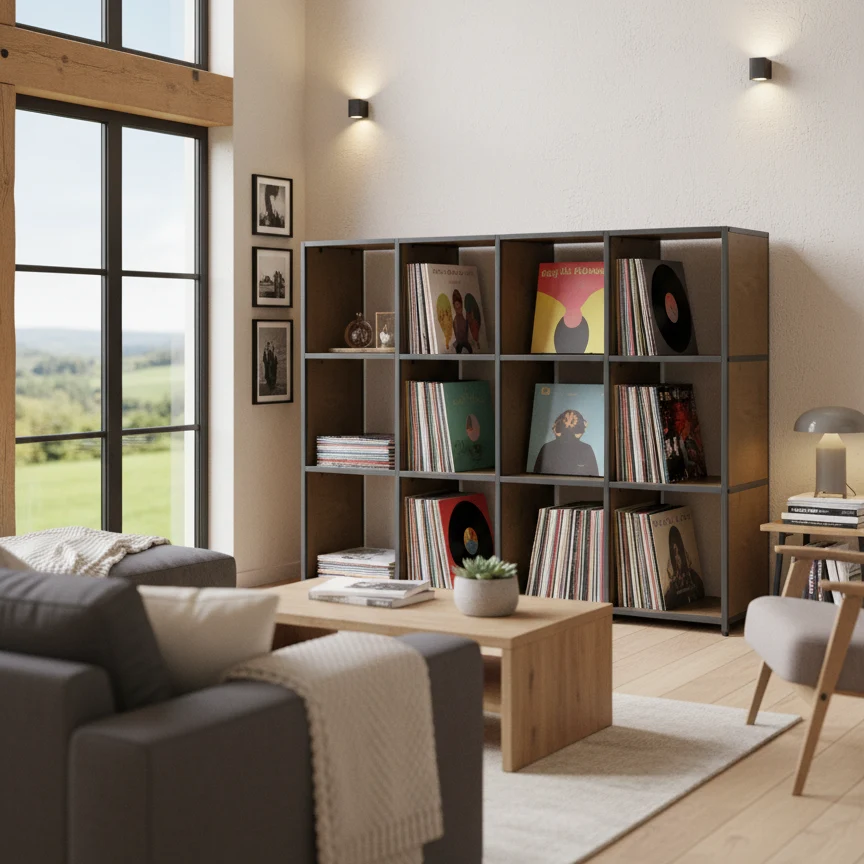
A living space inspired by relaxed lounge styling may benefit more from discreet fabric-wrapped clouds than industrial-looking baffles. Acoustic treatments work best when their appearance feels intentional within the architecture.
Ceiling fans, lights, sprinklers, air vents, and access panels also need clearance, so placement should be planned rather than improvised.
What Ceiling Treatments Cannot Fix
Absorption reduces echo, but it does not automatically soundproof the ceiling. If upstairs footsteps, plumbing noise, or voices from another level are the real problem, hanging acoustic panels in the room below may provide little improvement to transmission.
Another mistake is installing too much material in only one small area. Acoustic comfort depends on the balance of reflective and absorptive surfaces throughout the room. Treating the ceiling works best when the overall space is considered rather than treating a single surface in isolation.
Frequently Asked Questions
Do acoustic ceiling panels reduce voices between floors?
They mainly absorb reflections within the room where they are installed. Blocking voices between floors usually requires improvements within the floor-ceiling assembly, such as added mass, insulation, or structural separation.
Are acoustic clouds suitable for living rooms?
They can be, particularly in large contemporary rooms with high ceilings. Fabric, shape, scale, and mounting height should complement the interior rather than making the treatment look like an afterthought.
Can curtains and rugs replace ceiling panels?
Sometimes. A moderately echoey room may improve enough through floor, window, and furniture changes that ceiling treatment becomes unnecessary. Larger, harder, or taller spaces may still benefit from overhead absorption.
Treat the Space, Not Just the Ceiling
Start by adding absorption at the easiest surfaces and then listen to how the room changes. If conversations still sound sharp or echo lingers, targeted ceiling panels or clouds can address the remaining reflections. This staged approach keeps the design flexible and helps ensure that overhead acoustic products solve a measured problem rather than becoming expensive decoration.