Michael Caine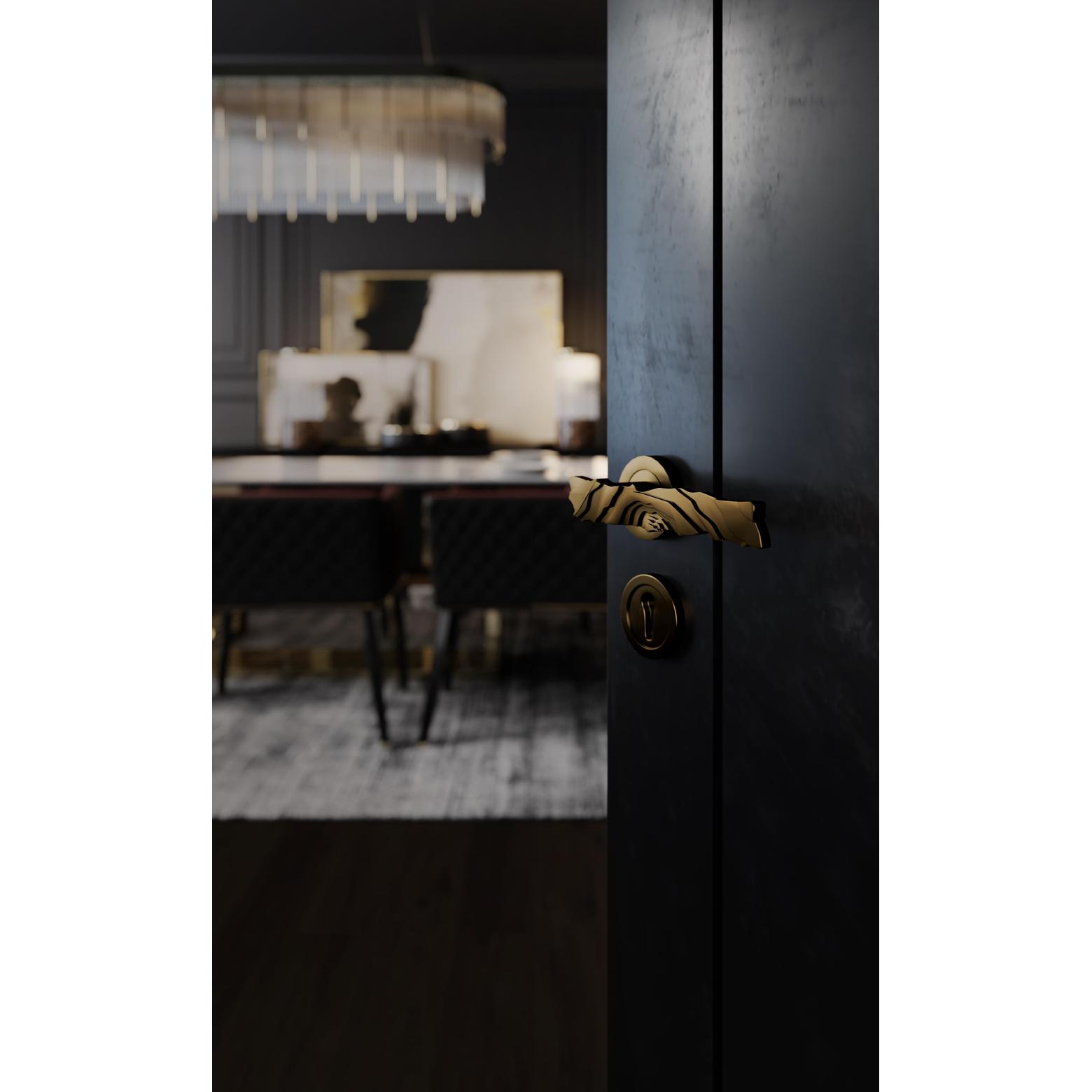
Small hardware choices can have an outsized effect on daily comfort. Lever handles generally require less gripping and twisting than round knobs, making doors, cabinets, and faucets easier to operate with wet hands, limited hand strength, or while carrying something. Good lever handle ideas combine comfortable operation with sensible placement, durable hardware, and a style that matches the room.
Start With Frequently Used Doors
Entry doors, bathroom doors, bedrooms, kitchens, and frequently used closets are sensible places to begin. Replacing every knob at once isn’t necessary if only a handful create daily frustration.
People collecting general home design references may compare many hardware styles, but comfort is best judged physically. If possible, test the handle in a showroom. A lever that looks sleek can still feel uncomfortable if its edge is sharp or its projection is awkward.
Check the Return and Grip Area
Handles with a gentle return toward the door may reduce the chance of clothing or bags catching the end. Broad, rounded surfaces also tend to feel more comfortable against the hand.
Coordinate Hardware Throughout Connected Spaces
Matching every piece exactly isn’t required, but related finishes can help a home feel intentional. Door levers, cabinet pulls, and faucet handles can share a finish or similar geometry without coming from the same product line.
Exterior accessibility can influence hardware choices near patios and side entrances too. General research around property access planning may sit beside hardware comparisons when owners are considering the complete route into and through a house.
Aim for visual consistency where rooms connect directly. Too many unrelated finishes can make accessible hardware look like an afterthought rather than part of the design.
| Hardware Area | Easy-Use Option | Practical Check |
|---|---|---|
| Interior door | Lever handle | Comfortable return |
| Cabinet | Long pull | Enough finger clearance |
| Faucet | Single lever | Smooth movement |
| Exterior door | Lever set | Weather resistance |
Use Longer Pulls on Cabinets
Tiny cabinet knobs can require a precise pinch. Longer pulls offer more ways to open a drawer or door, including with several fingers or the side of a hand.
Hardware choices often appear within larger remodeling plans that include outdoor spaces, where homeowners may also browse exterior design context. Inside the home, focus first on grip clearance. Decorative pulls that sit almost flush against the cabinet can still be difficult to use.
Drawers holding heavy cookware or pantry goods may benefit from sturdy pulls secured at two points. Comfort and attachment strength matter more than decoration alone.
Make Faucets Simple to Control
Single-lever faucets can make water flow and temperature easier to adjust with one hand. Long handles may also be easier to move than small cross handles or tightly shaped knobs.
Think about reach as well as grip. A comfortable lever doesn’t help much if the user has to lean across a deep counter to reach it. Fixture placement and sink depth influence usability.
Where Hardware Upgrades Often Miss the Mark
The biggest mistake is choosing hardware solely because it carries an accessible-looking design. Some levers are stiff, excessively short, slippery, or positioned where nearby walls interfere with hand movement.
Cabinet pulls can cause similar trouble when decorative shapes create sharp edges or offer little clearance. Test how the hardware works during actual tasks. Easy operation should come from shape, force, position, and surrounding space working together.
Frequently Asked Questions
Can lever handles replace existing door knobs easily?
Often, yes. Many residential lever sets are designed for common door preparations, though existing backset, latch, lock, and hole dimensions should be checked before purchasing replacements.
Are long cabinet pulls easier to use?
They often provide more gripping options than small knobs. The best size depends on the cabinet, but enough space behind the pull for fingers is especially important.
Do lever faucets work well in kitchens?
They can be convenient because flow and temperature may be controlled with one hand. Handle movement should remain smooth and easy to reach from the normal working position.
Change the Hardware You Touch Every Day
Start with the handles that cause repeated inconvenience instead of replacing hardware simply for appearance. Effective lever handle ideas make common tasks require less gripping, twisting, or precise finger control. Choose comfortable shapes, give hands enough clearance, and place controls where they can be reached naturally. Those small changes can noticeably improve how a home works.