Michael Caine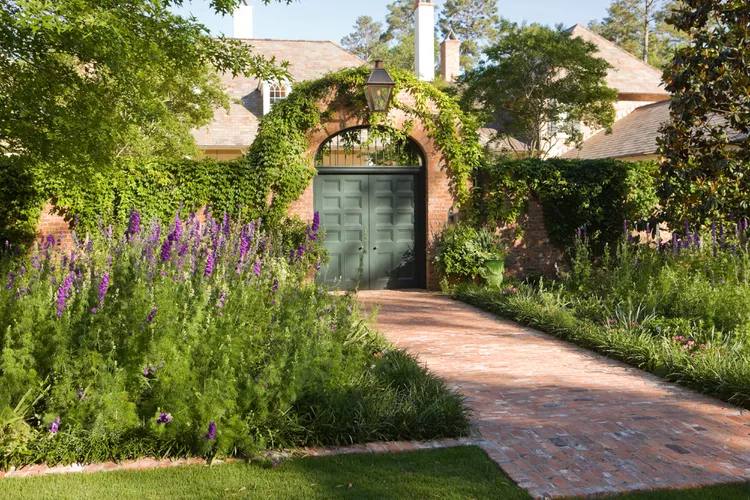
A garden gate is a small feature with a surprisingly large visual effect. Strong garden gate ideas combine security, comfortable access, durable materials, and a style that gives visitors a clear transition from one outdoor area to another.
The best design doesn’t merely fill an opening in the fence. It makes the entrance feel intentional.
Match the Gate to Its Everyday Purpose
A front garden gate may need to welcome visitors while still defining private property. A side gate may prioritize security, while a backyard gate could simply control pets or connect two garden zones.
Start with the required width and clearance. Wheelbarrows, lawn equipment, bicycles, strollers, and waste bins may need more space than a normal pedestrian gate provides.
Make Opening Direction Practical
A gate should open without hitting steps, plants, furniture, or a sloping path. Think about where someone naturally stands while operating the latch.
Small details like this determine whether the gate feels convenient every day.
Choose a Material That Belongs With the Property
Timber brings warmth and works well with traditional gardens. Metal can create a lighter visual appearance, while painted or composite designs may suit contemporary homes.
Reviewing outdoor design resources can help place the gate within the larger landscape rather than treating it as an isolated decorative object.
Repeat one or two materials or colors already used on fences, railings, doors, or exterior trim.
Use the Gate to Frame the Garden Beyond
A solid gate creates mystery and stronger screening. An open metal design or spaced timber gate reveals part of the path beyond and can make a small entrance feel more inviting.
Broader residential living inspiration can also provide useful ideas for creating transitions between functional areas and more relaxed garden spaces.
Consider what visitors see immediately after opening the gate. A path, specimen plant, bench, or framed view can give the entrance a clearer destination.
| Gate Style | Visual Effect | Best Fit |
|---|---|---|
| Solid timber | Private and warm | Side or enclosed gardens |
| Open metal | Light and formal | Front entrances |
| Slatted gate | Modern and filtered | Contemporary homes |
| Picket gate | Friendly and traditional | Cottage-style gardens |
Strengthen the Entrance With Simple Details
Posts, lighting, house numbers, climbing plants, paving, and a defined path can make an ordinary gate feel much more substantial. These elements should support the entrance rather than compete for attention.
During wider property entrance planning, think about fence condition, drainage near the threshold, locks, hinges, and how the gate contributes to the home’s overall street presentation.
A good latch should also be easy for regular users to operate without feeling flimsy.
Mistakes That Weaken a Garden Gate
Oversized gates can overwhelm small front gardens, while narrow gates may create constant frustration when moving equipment. Proportion should respond to both the opening and the surrounding fence.
Another common mistake is choosing appearance without considering weather exposure. Timber may swell or move, metal can require corrosion protection, and heavy gates need strong posts and hinges.
Avoid allowing dense planting to crowd the latch or swing area. Attractive vines become irritating when they repeatedly catch on clothing or hardware.
Frequently Asked Questions
What is the best material for a garden gate?
There isn’t one universal choice. Timber offers warmth, metal can be slim and durable, and composite materials may reduce some maintenance. Climate, style, security needs, and budget should guide the decision.
Should a garden gate match the fence?
It doesn’t have to match exactly, but repeating color, material, proportions, or detailing usually helps the entrance feel connected to the surrounding boundary.
How can I make a simple garden gate more attractive?
Add strong posts, coordinated hardware, pathway lighting, restrained planting, or a climbing frame nearby. A clear path beyond the gate can also improve the overall entrance.
Give the Entrance a Clear Purpose
The most effective garden gate ideas combine appearance with ordinary daily use. A beautiful entrance that drags on the ground, blocks equipment, or has an awkward latch will quickly become annoying.
Choose the width and function first, then build the style around those practical decisions. With the right proportions and surrounding details, even a modest gate can become a defining feature of the garden.