Michael Caine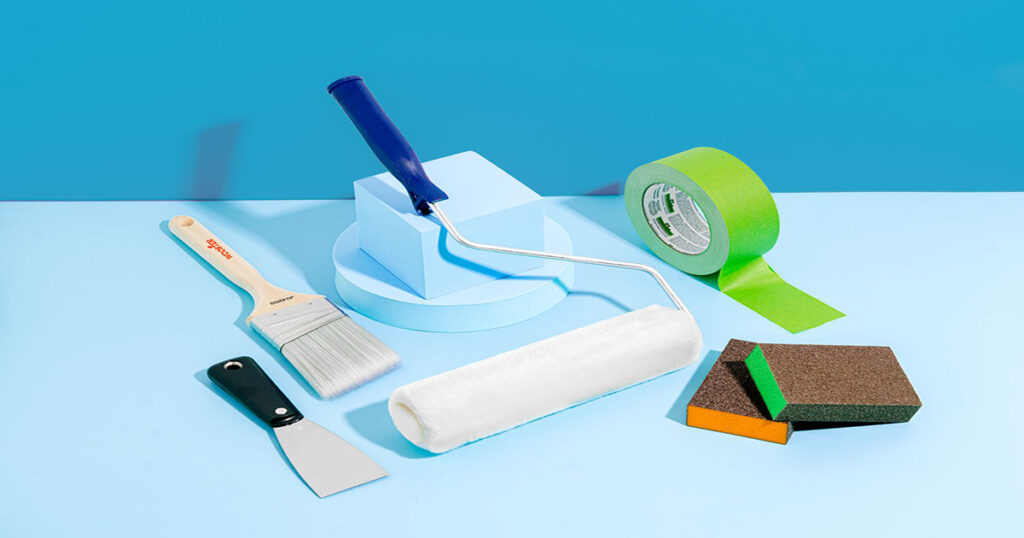
A fresh coat of exterior paint can completely transform the appearance of a home while providing essential protection against weather, moisture, and everyday wear. When it comes time to repaint, many homeowners face an important decision: should they tackle the project themselves or hire a professional?
While DIY painting may seem like a cost-saving option, exterior painting is often more complex than it appears. Factors such as preparation, safety, material selection, and long-term durability all play a role in the final outcome.
In this article, we’ll compare professional exterior painting and DIY painting to help you determine which option is best for your home.
The Importance of Exterior Painting
Exterior paint serves two critical purposes. First, it enhances curb appeal and gives your home a clean, attractive appearance. Second, it acts as a protective barrier against rain, snow, sunlight, wind, and temperature fluctuations.
When paint begins to wear out, your home’s exterior becomes vulnerable to moisture intrusion, wood rot, mold growth, and surface deterioration. Whether you choose DIY or professional painting, maintaining this protective layer is essential.
Understanding DIY Exterior Painting
Many homeowners choose DIY painting because they enjoy home improvement projects and want to reduce labor costs.
Painting your own home gives you full control over the project schedule and allows you to work at your own pace. For smaller jobs or touch-ups, DIY can be a practical solution.
However, exterior painting involves much more than applying paint to a wall. Proper preparation, cleaning, repairs, priming, and application techniques are necessary for long-lasting results.
Advantages of DIY Painting
Lower Initial Cost
The biggest benefit of DIY painting is the potential savings on labor expenses. Homeowners only need to purchase materials, tools, and paint.
Flexible Scheduling
DIY projects can be completed according to your personal timeline without coordinating with contractors.
Personal Satisfaction
Many homeowners enjoy the sense of accomplishment that comes from completing a project themselves.
Greater Creative Control
You can make changes and adjustments throughout the project without consulting anyone else.
Challenges of DIY Exterior Painting
While DIY painting offers advantages, it also comes with several challenges.
Time-Consuming Process
Exterior painting requires extensive preparation, including washing surfaces, scraping old paint, repairing damage, and priming. These steps often take much longer than expected.
Safety Risks
Painting upper stories, roofs, or hard-to-reach areas involves ladders and heights, which can present serious safety concerns.
Skill Requirements
Achieving smooth, even coverage without streaks or missed spots requires experience and proper technique.
Equipment Costs
Professional-quality tools, ladders, sprayers, and safety equipment can add significant expenses to a DIY project.
What Professional Exterior Painting Offers
Professional painters bring experience, training, and specialized equipment to every project. Their expertise allows them to identify potential issues and deliver high-quality results efficiently.
A reputable painting contractor understands proper preparation methods, paint selection, weather considerations, and application techniques that maximize durability.
Professional services often include inspections, repairs, surface preparation, and cleanup, creating a comprehensive solution for homeowners.
Benefits of Hiring Professionals
Superior Surface Preparation
Preparation is one of the most important aspects of exterior painting. Professionals properly clean, scrape, sand, repair, and prime surfaces before painting begins.
High-Quality Results
Experienced painters know how to achieve consistent coverage, clean lines, and smooth finishes that enhance the overall appearance of a home.
Faster Project Completion
Professional crews can often complete projects in days that might take homeowners several weekends or even months.
Long-Term Durability
Professional application methods help paint last longer, reducing the need for frequent maintenance and repainting.
Safety and Insurance
Professional painters are trained to work safely at heights and typically carry insurance that protects both workers and homeowners.
Cost Comparison: DIY vs Professional Painting
Many homeowners assume DIY painting is always less expensive. While labor costs are eliminated, other expenses can add up quickly.
DIY projects require purchasing or renting ladders, sprayers, brushes, rollers, drop cloths, safety gear, and cleaning equipment. Mistakes may also lead to additional material costs.
Professional painting generally involves a higher upfront investment but often delivers better value over time due to increased durability and fewer repairs.
Quality and Longevity
One of the biggest differences between DIY and professional painting is longevity.
Professionally painted homes often maintain their appearance and protection for many years because of proper preparation and application. DIY projects may begin to show wear sooner if preparation or product selection is inadequate.
The longer lifespan of professional work can make it more cost-effective over the long term.
When DIY May Be a Good Option
DIY painting may be suitable in certain situations:
- Small exterior touch-ups
- Single-story structures
- Minor repainting projects
- Homeowners with painting experience
- Projects with flexible timelines
If the scope is limited and safety concerns are minimal, DIY can be a reasonable choice.
When Professional Painting Is the Better Choice
Professional painting is often the preferred option for:
- Large homes
- Multi-story properties
- Extensive preparation requirements
- Homes with existing damage
- Complex architectural details
- Projects requiring long-lasting results
In these situations, professional expertise often outweighs the potential savings of a DIY approach.
Protecting Your Home Investment
Your home’s exterior is constantly exposed to weather and environmental conditions. A properly executed paint job protects siding, trim, and structural components from damage.
Choosing professional house painting woodbury services can help ensure that your investment receives the protection it needs while enhancing curb appeal and property value.
A quality paint system contributes significantly to long-term home maintenance.
Common DIY Mistakes to Avoid
Homeowners who choose DIY painting often encounter avoidable mistakes such as:
- Skipping surface preparation
- Using low-quality paint products
- Painting during unfavorable weather conditions
- Applying uneven coats
- Ignoring hidden damage beneath old paint
These mistakes can shorten the lifespan of the paint job and lead to additional maintenance expenses.
The Value of Professional Expertise
Professional painters bring more than labor to a project. Their experience helps identify underlying issues, recommend suitable products, and ensure proper application methods.
They also understand local climate conditions and can select paints designed to withstand regional weather patterns.
This expertise contributes to better performance and longer-lasting results.
Both DIY and professional exterior painting have their advantages, but the best choice depends on your home’s size, condition, budget, and your level of experience.
DIY painting can be a cost-effective option for smaller projects, while professional painting offers superior preparation, safety, efficiency, and durability. For homeowners seeking long-lasting protection and high-quality results, professional services often provide the greatest overall value.
By carefully evaluating your needs and project requirements, you can choose the approach that delivers the best outcome for your home and ensures years of beauty and protection.