
 Michael Caine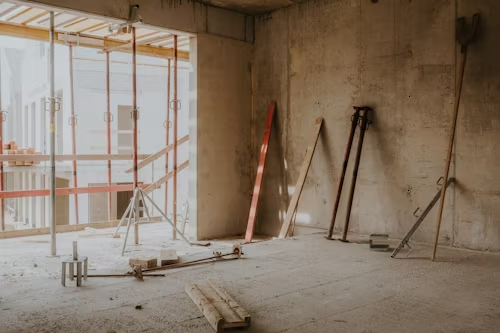
Remodeling a home can be exciting, and it is easy to focus on the big changes you want to see. But while many homeowners plan for new cabinets, flooring, or appliances, hidden remodeling costs often come as a surprise. Knowing about them will help you be better prepared, avoid stress, and keep your project on track from start to finish.
Common Hidden Costs That Homeowners Overlook
When preparing for a remodel, you should consider the unseen expenses that may arise beyond the set budget. Many other, less noticeable costs are also added to the final bill.
Examples of hidden remodeling costs include:
· Demolition and debris removal: Removal of old materials, along with hauling, can also be more costly than imagined.
· Structural repairs: Once walls are opened, issues ranging from water damage, mold, or outdated wiring may be found.
· Temporary living expenses: You may be required to eat out or stay elsewhere while your kitchen or bathroom is out of use.
· Utility upgrades: Sometimes, adding new appliances or fixtures may mean updating an electrical or plumbing system.
The ability to identify hidden remodeling costs early can save time and stress.
Renovation Surprises in Older Homes
Older homes, in particular, can bring forth unexpected renovation expenses. You could find asbestos, lead paint, or old plumbing that would have to be replaced. If these items aren’t planned into your original budget, then you could possibly have cost overruns.
Contingency Planning for Your Remodel
No matter how much you plan, things can still go terribly wrong. Construction contingency planning involves building a buffer into your budget for the unexpected.
Tips for contingency planning:
• Save 10–20% of your total budget for surprises.
• Identify potential risks that might happen, including weather delays or material shortages.
• Review your plan with your contractor so you’re prepared.
• Budget for remodels and include a contingency fund to handle surprises without panic.
How Material and Labor Choices Affect Your Budget
The materials and workers you choose have significant effects on the costs. Prices can fluctuate quite suddenly, and good-quality materials or skilled labor often come at a higher price.
Seasonal Variations and Market-Driven Costs
Changes in material and labor costs are very common. Wood, tile, and fixture prices may increase or decrease depending on season or demand. Skilled labor costs may rise if there is a shortage in your area.
To manage these changes:
• Get multiple quotes from suppliers and contractors.
• Ask about price guarantees or how long estimates are valid.
• If possible, buy materials early to lock in prices.
Homeowners can better understand these costs to make appropriate decisions before construction starts.
Unexpected Permits and Inspection Fees
Many remodels require permits or inspections to meet local building code requirements. These are easily forgotten, yet can quickly add up.
Permit Fees and Inspections
Common fees include:
· Building permits for structural work
· Electrical and plumbing permits
· Inspection fees after the work is done
Always check with your city or county and determine what permits you need to begin the remodel. One missed permit can cost you substantial fines or make you redo the work.
Estimating Costs Correctly: Some Tips
Getting a realistic budget sets the stage for a smooth remodeling project. The following are some tips for project planning that will help you avoid budget surprises:
Write down everything that could be an expenditure, even small items such as hardware, paint, or delivery.
• Ask for detailed estimates and ensure that your contractor’s quote covers everything, not just the main work.
• Plan for changes by updating the budget for any increase in materials or new features added.
• Track spending throughout the project so you always know where your money is going.
Minimizing Surprises: Working with Contractors
A good contractor helps you plan for hidden remodeling costs by identifying potential problems early and helping you stay on budget. Homeowners concerned about unexpected expenses often choose to get in touch with us to discuss detailed cost projections and planning strategies before construction begins. This type of support can greatly reduce the stress involved with a remodel.
Conclusion
Remodeling one’s home is a huge investment; thus, it is important to know about hidden remodeling costs before starting the project. By understanding common surprises, planning for contingencies, and getting accurate estimates, you can avoid budget problems and enjoy your new space. Careful planning today means fewer headaches tomorrow and a smoother remodeling experience in 2026.
 TomEditor